
Black History Month: Q&A with Twanna House

  1. Home
  2. » Black History Month: Q&A with Twanna House
T House Profile

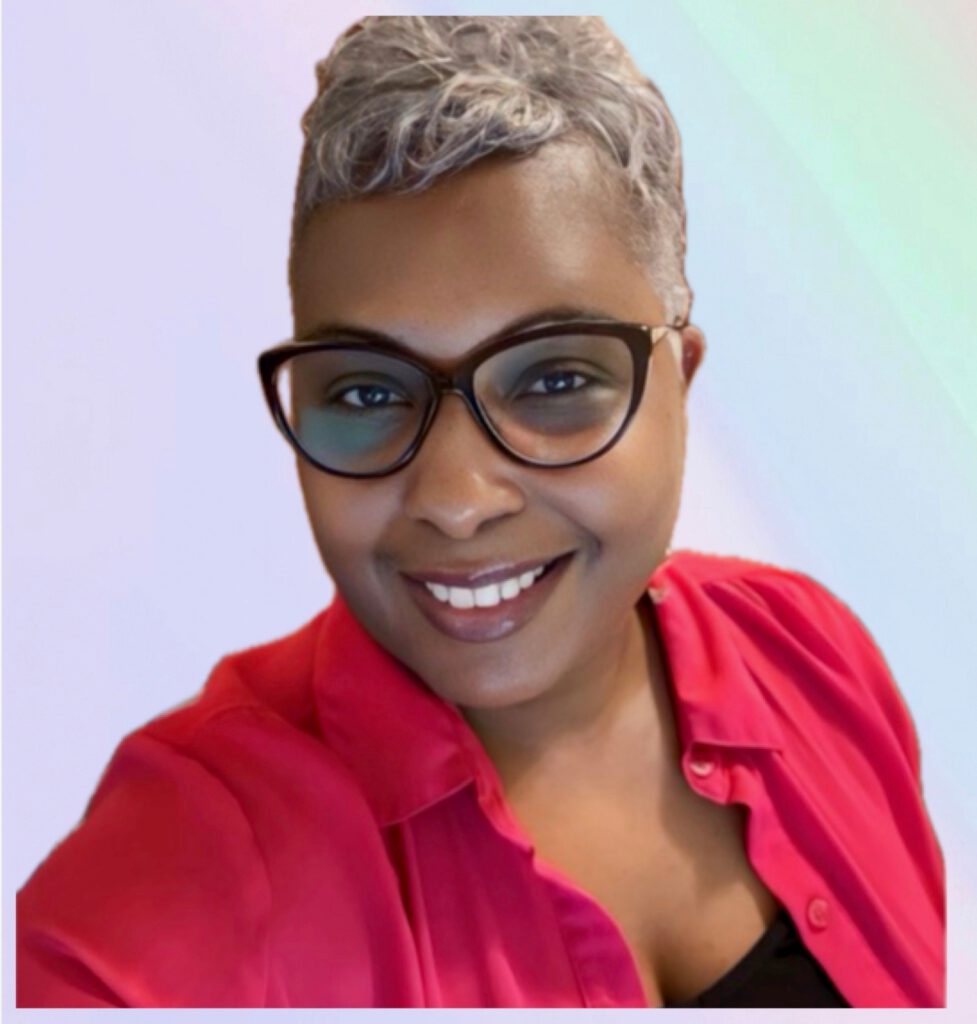
Twanna House is a People and Culture Partner with the Clarvida People Team, supporting Arizona and Oregon. She has been with Clarvida for two and a half years. This article is based on an interview with her January 30, 2025.

Content warning: This article includes references to suicide, which some people may find distressing. Please read with care.

What do you like most about your job? 

I like that I’m able to take my expertise that I’ve had in human resources for the last 25 years and actually support employees who work in the area that I have a passion for, which is mental health.

What personal or professional accomplishment are you most proud of? 

I would say that my biggest accomplishment is when I was able to take the trauma and the pain that I’ve been through for the last several years and turn it into a transformation. I lost my oldest son at the age of 18 to an accidental fentanyl overdose over three years ago, and I also had the pain of a divorce and dealing with a not-so-easy custody situation. I was able to take that pain and all that I’ve been through, along with my lived experience with mental health and dealing with depression for years, and transform it so that I am now an advocate, I’m an educator. 

I’m a director of programs now for the Emerald Coast affiliate of NAMI, the National Alliance on Mental Illness, in Florida. By being part of this, I realized that the more I was helping people who needed help and to be healed, I was able to heal myself. So, I see myself now as being a better version of myself. I think that’s the biggest accomplishment.

What other organizations are you involved with outside of Clarvida?

I’m also involved with the Florida Mental Health Advocacy Coalition, which is a group of peers and family members and those who support people with lived experience who advocate for legislative change. I do a lot with this coalition, talking to my state representatives and state senator regarding passing legislation that will help with better mental health care access. This includes dealing with the coverage gaps, especially between the ages of 18 to 25. Right now, there aren’t adequate health care services for this age group, and that’s when the onset of mental illness typically happens.

We’re also pushing for additional funding for the 988 crisis lifeline. Currently, I think we have 13 call centers in the state. But with a lot of the upcoming changes with georouting and other things, that volume is going to increase.

I have been connecting with the state representatives in my district and other districts because our NAMI affiliate covers four counties in the Florida Panhandle: Escambia, Santa Rosa, Okaloosa, and Walton. So, I have been connecting with them in the hope that they’ll be champions for our initiatives this upcoming legislative session.

I’m also involved with the Mental Health Task Force of Northwest Florida, spearheaded by Representative Michelle Salzman, who is the state representative in my district. I am also involved with NAMI Florida, the state chapter, as one of their advocacy trainers. So, the very thing that I’m doing, I also train others on how to do it.

Do you find that your involvement in these groups helps you in your role at Clarvida?

It actually does because, for example, I am a certified mental health first aider. So, I am trained in mental health first aid for youth and adults. And in my line of work, we are doing our best to promote a positive work environment when dealing with human resources, with people, and with the psychology of people and how that affects the concerns that we receive on employee issues, the overall bottom line, and culture.

Having that background is a benefit because it helps me to be more of an advocate, not only for the organization, but also for the employee. To look at both sides and to help them be treated in a more humane way.

Interestingly enough, even with the states that I work with, Oregon in particular, they employ certified peer support specialists, which is one of the things that we advocate and do training for within NAMI. So, the very people that Clarvida employs who are working in the homes are the same people that I’ve also supported and have experience working with, not only as peer support specialists, but also as peers, in support groups, and in peer-to-peer classes because of the programs we have with NAMI. I think that really helps bridge the gap, so to speak, because I have that experience from both sides

What motivates you?

My faith in God motivates me. My youngest son, who’s 13, he motivates me just to see the brilliance and intelligence that’s in him, to know that he has so much potential to be great and how I do what I do to encourage him in that greatness, as well as the legacy of my son that I lost. That keeps me going, because I understand he was always one to be caring and compassionate of people. So that’s my motivation to continue that. And really, the ones that I end up helping are the ones that keep pushing me.

I’ll give you a good example of that. Last month, one of my church members reached out to me and said, hey, I found out that there’s a young lady that needs some help. She just lost her youngest son to suicide. He was 29 years old. And she was looking for help, somebody to talk to. And they said, Twanna, this is your lane, this is your ministry, this is your calling, doing mental health. So, I reached out to her.

I had a chance to talk with her. And the wonderful thing was that I was able to connect with her, not only as a mother who has lost a son to tragic circumstances, but also from the aspect that I have attempted three suicides in my lifetime. So, I could talk from the aspect of what goes on sometimes in a person’s mind, which really, you don’t know what’s going on in a person’s mind when they’re thinking about suicide.

I was able to help her by just talking through it, making sure she was acknowledged and heard and seen, and also providing her with some resources. I knew of another mother who lost her son to suicide, and I connected her with that person. I also connected her with support groups that were just starting for mothers who lost loved ones to suicides. And she told me that she really appreciated me being there for her because if I hadn’t, she didn’t know what she could have done at all. But to know that she was not alone in the journey made a difference. So that’s why I do this and help in that way.

What lessons have you learned in life that you think are important to share?

Nothing’s more valuable than your peace. Nothing’s more valuable than your peace of mind. I think there’s nothing and no one worth sacrificing or losing that over. I realized that in my journey. I’ve learned that healing is a lifelong journey, and I’ve learned that peace comes with not only having faith in God, knowing that peace is possible for me, but also taking the steps to become more self-aware. That’s been a huge lesson of being aware of my feelings, being aware of my processes in my mind.

I heard a teacher say once that healthy people talk out their emotions, whereas unhealthy people act out their emotions. So, I’ve seen this transformation in myself. I used to be emotionally reactive and now I’m more responsive, I talk things out and I process things more. And I found out that’s been key to keeping my peace. And with that also setting boundaries for myself, saying no a lot more than saying yes.

For people like me who have an empathic personality, it’s hard to set boundaries like that. I was telling a friend the other day who has a similar personality, that you have to learn to set boundaries. Because if you don’t learn that, you’re going to be carrying things from people that have nothing to do with you. And you’re going to wonder why you’re struggling and you’re having issues. I learned that with my work, my activism, my advocacy, my ministry and things like that, I am going to be dealing with people and dealing with heavy feelings and heavy stuff. So, I’ve had to learn how to take some time to be aware enough that when I come home, I need to separate all of that, just release it. 

What does Black History Month mean to you?

Black History Month means that we were here, we’re still here, and we’re going to be here. And regardless of what adversity has come, the difficulties and challenges we have faced as Black people, we have learned to be resilient.

If you think about Black history, you think about resilience. Think about all the great contributions that have been made to this entire world because of Black people being true to who they are and being resilient. They find a way to just bounce back from the worst of things. I look at all the contributions from Martin Luther King or Malcolm X or Mary McLeod Bethune, who founded Bethune-Cookman University.

Think about all those different situations where greatness has happened out of the smallest of things. You’re talking about Booker T. Washington, George Washington Carver, all of those people who have done some amazing things and inventing things that people thought they were crazy for doing, but it wasn’t crazy until it happened. And so, it just lets us know that we are tremendously resilient in who we are. Whether we’re going up the corporate ladder or doing things in our community that are radical and advocating for the protection and love of who we are and becoming a better village, which we’re on our way to doing that. So Black history means that we’re here and we’re still here and we’re still going to make our mark in the world.

How do you celebrate Black History Month?

Well, normally for Black History Month, the way that I celebrate it is basically continuing to do the work that I do each day. With NAMI, we have what’s called a gathering of healing. We had it last year and we talked about the signs and symptoms of mental illness and mental health conditions and how it impacts communities of color. Because the way that we look at it in our culture is not the same as everybody else. So last year we had experts who looked like us talk about those different things. But that’s normally how I celebrate Black History Month, by recognizing those who have been trailblazers way before me.

I think about my mom, who is 91 years old and still doing well. She grew up with the Jim Crow laws, in a time when they were fighting for civil rights. So, I honor her. I learned stories about what took place and now support any activities in the city that celebrate Black History Month. I do that along with my mental health advocacy.

What role did your mom and dad play in who you are today? 

Interestingly enough, I was more chosen than created because I was adopted when I was three days old. And my parents raised me from that time.

My father was a Baptist pastor. He passed away about 16 years ago. He was an auto mechanic by trade. My mom did a lot of different things. Before she retired, she was a teacher’s aide at a school for those with special needs.

Because of the richness of their work ethic, one thing I’ve learned from them is to be timely, not be late, it’s better to be early. Also, about your word being your bond and being true to that. Those are the things that contributed to who I am.

My father was always a radical person by just telling the truth, even when people didn’t like it. He didn’t care about ruffling any feathers, about being radically honest. That’s how I am now when it comes to my advocacy.

Note: If you are experiencing a mental health crisis, please dial 988 for help. You can also find help through Clarvida at one of our many locations by visiting https://clarvida-dev.web-mo.dev/find-a-location/.
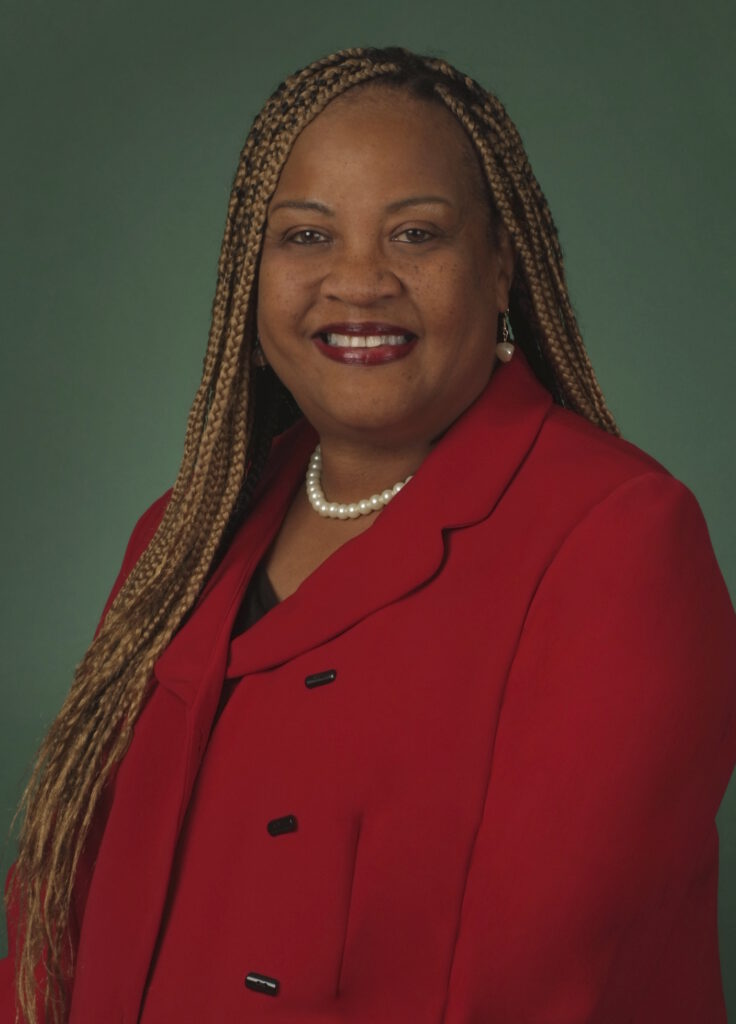
Loree Knowles is the Resource Parent Support Team Coordinator for the Middle, Upper Cumberland, and West regions in Tennessee. She has been with Clarvida for 10 years. This article is based on an interview with her on January 28, 2025.

What drives you to do all these things in your community?

I consider myself a missionary. I like helping others, especially children and families, because that’s what I’ve done all my life. As far as politics, my dad was the first Black mayor in the state of Tennessee, and so the political stuff I got from him. I didn’t think I would ever be in this position. But it’s like he spoke to me one night, and the morning after telling several people, no, I will not do this, I finally said yes. I just like helping people. And I love talking with people about the foster kids that we serve, what they can do, and how they can benefit the lives of children and biological families.

My dad was a teacher for 40-plus years. I watched him be father to a lot of students that came through school. And it didn’t matter what color they were, they could be green. If they needed him, he was there. I think I got that from him because I’m a social butterfly, and I never meet a stranger.

What motivates you?

What motivates me is seeing people happy, feeling that sense of self-worth, watching my grandkids go through different situations so I can advise them appropriately on how they should deal with them. And I know kids nowadays don’t like to be given advice, so I have to go about it in a roundabout way to get my point over. And then they understand.

My faith, family, children, and grandchildren are my main encouragers. I give all praises to God for all of the blessings I continue to receive. 

I worked at one time for the Department of Children’s Services, and there were two young men that lived up the street from me. They played football for my husband’s football team in Pop Warner. They wound up in court for neglect issues. I was court liaison, so I went to court that day. I knew the judge really well, and he was also a football referee. Instead of putting these boys in foster care, the judge asked if I would consider taking these two boys in and making sure they finished school because they had great athletic ability and could go somewhere and be something. And I thought about it, I prayed about it, and then I said yes without talking to my husband, without talking to anybody, because I felt compelled to do so. 

The oldest one stayed with me until he turned 18. He was doing well in school and he excelled in sports. And the day he turned 18, he wanted to move back home, and he did. And within four months, he was locked up. The other one was nominated for Mr. Football in the state of Tennessee, and he went on to college. To this day, I’m considered their second mom. 

Tell me about some projects you’re working on for your community.

One of the biggest things in my community is building renovations that have caused some businesses to leave because they weren’t getting any traffic. It has caused a lot of concern within the community. So, I’m reassuring everyone that, yes, this project is taking a long time, and we’ve lost businesses. But I have full confidence that we will be able to attract more businesses to meet the demographic of our city. And once the renovations are done, they are going to be proud of the finished product.

Another is getting the Boys and Girls Club implemented in my city for middle and high school students. I’ve gotten them a spot in our community center where they can house middle school and high school students, and then the elementary school will house the elementary school kids. We have blueprints already in the works with a spot for the Boys and Girls Club.

Who has inspired you?

There are so many people, but I love Michelle Obama, because she she says what she means, and she means what she says. Also, Harriet Tubman. She was a tough lady. She led people to freedom. She saw the future. She had that determination that I want. 

There is my friend Rhonda Brown. While we were working together, she was getting her master’s in social work. And just watching her go through that process and seeing her determination, even though she had four kids to raise and a husband, she did it. She’s a full-blown counselor now for everything that you could possibly think of, and she’s still in practice. It was her and another friend of mine, Sheila Taylor. I watched them struggle through that whole process and still come out on top, and they are still doing the best work they could possibly do today. Then, of course, there is one person who continues to drive me on a daily basis. Laura Lackey, my supervisor at Clarvida, has shown me great determination. She is an amazing encourager, and her support is like no other.

One of my other main influencers was my dad. And my mom, because she was right there by his side. And she supported us through each and every thing that we did. And there was one very, very special encourager, and that’s my brother. He passed away in 2020, but he and I were very close, and we worked together in the community. He was a family resource director at the elementary school, and a coach as well. Two years ago, they named the softball field that he and my husband built for the girls after him.

What advice do you have for others during Black History Month?

I would say historically, as a race of people, we have been oppressed, but we have to be able to move on. Because it’s going to take all of us to push that rock to the top of the hill.

So, we need to just focus on what’s going on now. Look at yourself in the mirror and ask yourself, how would you want to be treated? How do you treat others? And how do you see your children treating others? Because your children are going to model exactly what they see you do. And this is regardless of whether you have biological children, you have children on your caseload as a worker, or there are children who see you in the community. So, I say be the best you can be. Because if you don’t stand for anything, you’ll fall for everything.

What does Black History Month mean to you?

It’s a month where we spotlight those African-American trailblazers who paved the way for us as far as civil rights, giving us hope, being able to live the dream that Dr. King had, and to keep the dream alive, to continue with the dream. And what I take from that dream is to treat everybody with kindness, regardless of what your status is, what your color is, and what your age is. Everyone deserves respect.

What do you enjoy about working for Clarvida?

I told you I am a social butterfly, so I get to meet all kinds of people. I get to go out in the community and persuade people to become foster parents. I get to go to churches and speak to different organizations and let them know that if they become a foster parent, it would be one of the most beneficial things that they would ever do in their life. Just talking to people about foster care gives me joy.

There was a sibling group of five that I worked with, and they ranged from age 15 to age two. Their mom was not in the picture. Their dad was struggling to take care of all of them, plus work on a daily basis. So, he was not focused on what he should do as a parent, and especially not therapeutically. The kids went without a lot. I got the case, and I went in with my cape on and started working with the oldest child. She was playing the mother role in the house, making sure all the kids got up and went to school, and she was really stressed.

After working with them for five months, including the dad, I was able to get all of them on a routine. The father worked with his job so that his schedule accommodated his children. I coached them and was in their home consistently, three days a week, and they lived almost two hours away from me. But I was not going to give up. 

I am so proud to say that the oldest girl has now finished college. Her younger sister finishes college this year, in 2025. The son went to the military. The youngest daughter is a sophomore in high school. And the oldest and the second oldest still reach out to me and say, hey, just wanted to say hi, thank you for everything you did for us.

At Clarvida, we believe in the power of our people. I THRIVE with Clarvida is our nationwide employee enrichment program designed to reflect our unwavering commitment to our dedicated team members and the communities we serve. Through I THRIVE, we aim to foster an environment of inclusivity, training, health, resilience, innovation, versatility, and empowerment. This program offers a variety of opportunities for skill development, essential and elective training, and the creation of meaningful connections among team members. Together, we can be stronger and more resilient.

What is I THRIVE?

I THRIVE stands for Inclusivity, Training, Health, Resilience, Innovation, Versatility, and Empowerment. This program is designed to support our team members by providing a space for growth, learning, and connection. Whether you’re looking to enhance your clinical skills, improve your well-being, or develop leadership capabilities, I THRIVE has something for everyone.

Highlights from Our 2025 Calendar

Here’s a glimpse of the exciting offerings we have planned for the first half of 2025:

January
  • Trauma Healing: Stage 1 (Clinicians)
    Date: January 30, 10-11:30 AM CST
    Focus: Establishing safety and stability in trauma healing.
February
  • Managing Stress for Better Work-Life Balance (Everyone)
    Date: February 13, 11 AM-1 PM CST
    Focus: Techniques for managing stress and achieving balance.
  • Trauma Healing: Stage 2 (Clinicians)
    Date: February 20, 10-11:30 AM CST
    Focus: Continuing the trauma healing journey.
  • Job Related Burnout (Everyone)
    Date: February 21, 9-10:30 AM CST
    Focus: Identifying and addressing burnout.
March
  • Productivity Panel (Supervisors)
    Date: March 12, 9:30-11 AM CST
    Focus: Enhancing productivity through effective strategies.
  • Trauma Healing: Stage 3 (Clinicians)
    Date: March 17, 10-11:30 AM CST
    Focus: Advanced trauma healing techniques.
April
  • Positive Productivity Workshop/Tools (Everyone)
    Date: April 9, 10-10:45 AM CST
    Focus: Tools and techniques for positive productivity.
  • Trauma Healing: Stage 4 (Clinicians)
    Date: April 24, 10-11:30 AM CST
    Focus: Final stage of trauma healing.
May
  • Productivity Panel (Supervisors)
    Date: May 4, 9:30-11 AM CST
    Focus: Continued exploration of productivity strategies.
  • IFS Introduction Session (Clinicians)
    Date: May 22, 10-11:30 AM CST
    Focus: Introduction to Internal Family Systems therapy.
June
  • Positive Productivity Workshop/Tools (Everyone)
    Date: June 1, 10-10:45 AM CST
    Focus: Continued focus on productivity tools.
  • Motivational Interviewing Academy Session: Strengthening our Reflections in Practice (Everyone)
    Date: June 26, 10-10:45 AM CST
    Focus: Enhancing motivational interviewing skills.

Join Us and Thrive

I THRIVE with Clarvida is more than just a program; it’s a commitment to our team’s growth and well-being. By participating in these enriching sessions, you’ll have the opportunity to develop new skills, connect with colleagues, and contribute to our shared vision for the future. We look forward to seeing you thrive with us!

Presidential elections can feel mentally overwhelming for most people. According to a new report from the American Psychological Association, more than 7 in 10 adults say the future of the U.S. is a significant source of stress in their lives.

During periods of tension, it is crucial we tune into our minds and bodies and make intentional plans that will center and balance us. Incorporating practices to maintain both emotional and physical well-being into daily routines helps protect the mind and body from election-related anxiety.

Your well-being is important, and taking care of yourself will not only help you stay balanced and healthy, but will also enable you to engage more effectively in the democratic process.

Strategies for Maintaining Emotional Well-Being

Acknowledge Your Emotions

Recognize and validate your feelings. It’s normal to feel a range of emotions during the election season and on election day.

Practice Mindfulness

Incorporate mindfulness practices such as meditation, yoga, or deep-breathing exercises into your routine. These practices can help calm your mind, center you, and reduce stress.

Focus on What You Can Control

Concentrate on actions within your control, such as voting and encouraging others to vote, rather than worrying about outcomes that you cannot influence. This can empower you and reduce feelings of helplessness.

Don’t be afraid to politely decline discussions that may escalate tensions. It’s okay to step back from heated debates to preserve your mental peace.

Limit Social Media

Social media can amplify stress, especially on election day. Limit your usage and be mindful of the content you consume. Consider setting specific times to check updates or taking social media breaks altogether. Also, limit media consumption as constant exposure to election news can be overwhelming. Designate specific times to check updates and avoid news before bedtime.

Practice Gratitude

Reflect on things you are grateful for. Keeping a gratitude journal can help shift your focus to positive aspects of your life, fostering a more positive mindset amidst stress or what can feel chaotic.

Connect with Others

Lean on your supportive friends and family. Maintaining communication and spending time with them, either in person or virtually, can offer emotional support and a sense of belonging. Sharing your feelings can alleviate anxiety and provide a sense of solidarity.

If anxiety or stress becomes unmanageable, consider consulting a mental health professional for guidance and support.

Engage in Positive Activities

Participate in activities that bring you joy and relaxation, such as hobbies, reading, or spending time in nature. These activities can provide a much-needed break from the intensity of election news and help you recharge. Some positive activities include:

    • Engage in a Hobby: Dedicate time to activities you enjoy, whether it’s painting, gardening, reading, or playing a musical instrument. Hobbies can provide a sense of accomplishment and a break from daily stressors.
    • Explore Nature: Take a walk in a park, hike a trail, or simply sit outside. Being in nature can be incredibly soothing and help you feel more grounded.
    • Learn Something New: Take up a new skill or hobby, such as learning a new language, cooking a new recipe, or taking an online course. This can provide a stimulating and rewarding distraction.
    • Volunteer: Offer your time to a cause you care about. Volunteering can provide a sense of purpose and help you connect with your community in meaningful ways.
    • Listen to Music or Podcasts/Read Books: Enjoy your favorite music or listen to interesting podcasts to distract your mind and lift your spirits. Read books that give you and your mind a vacation from current stressors.
    • Creatively Express Yourself: Write, draw, or engage in other creative activities to express your thoughts and emotions. Creative expression can be therapeutic and a great way to process your feelings.

Strategies for Maintaining Physical Well-Being

Stay Active

Regular physical activity can reduce stress and improve your mood. Aim for at least 30 minutes of exercise each day, whether it’s a brisk walk, yoga, or any other form of movement you enjoy.

Eat Healthy

Nourish your body with balanced, nutritious meals. Avoid excessive caffeine and sugar, which can heighten anxiety and disrupt your sleep patterns.

Stay Hydrated

Drink plenty of water throughout the day to keep your body hydrated and functioning optimally. Proper hydration is essential for maintaining energy levels and overall health.

Get Enough Sleep

Prioritize a good night’s sleep to restore your energy and support overall well-being. Aim for 7-9 hours per night. Establish a calming bedtime routine to help you wind down.

Schedule Breaks

Take regular breaks from work or other responsibilities to relax and recharge your body and mind. Short breaks throughout the day can help maintain your focus and prevent burnout.


As we dive into Self-Care September, we invite all Clarvida employees and prospective team members to join us on a month-long journey dedicated to nurturing our mental, physical, emotional, and spiritual well-being. Self-care isn’t just a personal journey—it’s an opportunity to strengthen our sense of community and support one another. We are excited to share an array of activities and resources designed to inspire self-care practices that you can carry well beyond September.

What is Self-Care September All About?

Throughout the month, we’ll be sharing tips and activities focused on various aspects of self-care, including:

  • Physical Self-Care: Activities like exercise, healthy eating, and restful sleep that nourish your body.
  • Mental Self-Care: Stimulating your mind through hobbies, learning, and mindfulness.
  • Emotional Self-Care: Cultivating emotional resilience through journaling, therapy, or connecting with loved ones.
  • Spiritual & Energetic Self-Care: Enhancing your sense of purpose and inner peace through meditation, nature, and creative pursuits.


By engaging in these different areas of self-care, you’ll not only find balance but also build practices that foster long-term well-being.

Ways to Participate:

We’ve designed a variety of activities to help you personalize your self-care routine:

  1. Weekly Warm-ups: Jumpstart each week with focused self-care activities designed to rejuvenate you.
  2. Sharing is Caring: Share your experiences, tips, and progress with colleagues to inspire and support each other.
  3. Self-Care Journaling: Track your self-care journey in a journal throughout September. Reflect on your progress and share your insights at the end, if you choose.
  4. Community Rooms: Connect with peers in our Self-Care Community Rooms, where you can exchange tips, discuss what’s working for you, and gain inspiration from others. These are 60-minute open spaces for dialog and connection—you can come and go as you please!


These initiatives are a chance to engage in mindful self-care together, not just for the month, but with the goal of building sustainable habits for the future.

Join the Community Rooms
Our Self-Care Community Rooms offer a collaborative space where you can connect with your peers, share what’s working for you, and discuss ideas or tips you’ve practiced. The sessions will be hosted by Maria Huddleston, LCSW, our Director of Clinical and Community Operations in Colorado and the Training, Enrichment, and Development Leader at I THRIVE with Clarvida. Maria is also a member of the Motivational Interviewing Network of Trainers (MINT), and she will lead these insightful discussions to foster community and well-being.   For more information or to get the Zoom links, please reach out to Maria directly.  
  • Session One: September 19th, 2 pm EST / 1 pm CST / 11 am PST
  • Session Two: September 30th, 2 pm EST / 1 pm CST / 11 am PST

Resources to Support Your Journey
To help guide your self-care practices, we’re offering several downloadable resources that you can explore and incorporate into your routine:  
  • Self-Care Awareness and Development Warm-up: This guide outlines the four key categories of self-care (physical, mental, emotional, and spiritual) and provides practical activities to help you improve your well-being. It’s available as a downloadable PDF, so you can use it to track your progress throughout the month.
  • Self-Care Group Activity Worksheet: Designed for team collaboration, this worksheet helps you explore self-care activities across various areas and encourages reflection on your current practices. It includes steps to develop a personalized self-care plan that you can implement throughout the month and beyond. Download it directly from the blog and use it with your team or peers to foster a supportive environment.

Strengthening Our Community Through Self-Care
We believe that participating in these self-care activities together, as a team, will not only enhance your personal well-being but also strengthen the sense of community at Clarvida. Taking time for self-care is an essential part of showing up as your best self—not only for you but also for your colleagues and the people we serve. Let’s make this September a month of rejuvenation and lasting positive change!   We can’t wait to hear about your participation and see how Self-Care September impacts your well-being. Share your self-care journey and insights with your peers, and let’s keep this momentum going long after September ends.

Download the Resources:


Join us on I THRIVE and let’s make this a September to remember—where self-care takes center stage, and we thrive together!

3-Part Series: Recognize, Reset, Recover
with ITHRIVE with Clarvida

Recover:

Recovering from burnout involves more than just taking a break or going on vacation. It’s about adopting sustainable practices that support your overall well-being and help you maintain a healthy work-life balance. At Clarvida, we emphasize the importance of long-term recovery strategies to ensure that our clinicians can continue to thrive both personally and professionally.

Understanding Recovery

Recovery from burnout is a holistic process that involves restoring your physical, mental, and emotional health. It requires intentional actions and lifestyle changes that help you rebuild resilience and prevent future burnout episodes.

The Importance of Recovery

Recovery is essential because it allows you to:

  • Restore Energy Levels: Replenish your physical and mental energy to perform at your best.
  • Rebuild Resilience: Strengthen your ability to cope with stress and bounce back from challenges.
  • Enhance Well-being: Improve your overall health, happiness, and life satisfaction.
  • Sustain Performance: Maintain a high level of productivity and quality of work over time.

Effective Recovery Strategies
Here are some effective strategies to support your recovery from burnout in an ongoing and healthy way:

  1. Physical Activity
    Engaging in regular physical activity is one of the most effective ways to combat stress and promote recovery. Exercise releases endorphins, which are natural mood lifters. Whether it’s a brisk walk, yoga, or a workout session, find an activity that you enjoy and make it a part of your routine.

  2. Mindfulness and Meditation
    Practicing mindfulness and meditation can help you stay grounded and manage stress more effectively. These practices encourage present-moment awareness and relaxation, which can reduce the physiological impact of stress on your body.

  3. Healthy Sleep Habits
    Adequate and quality sleep is crucial for recovery. Establish a consistent sleep schedule, create a relaxing bedtime routine, and ensure your sleep environment is conducive to restful sleep. Avoid screens and stimulating activities before bedtime to improve sleep quality.

  4. Balanced Nutrition
    A balanced diet supports your overall health and resilience. Incorporate a variety of fruits, vegetables, whole grains, and lean proteins into your meals. Stay hydrated and limit your intake of caffeine, sugar, and processed foods.

  5. Social Support
    Connecting with others can provide emotional support and a sense of belonging. Share your experiences with friends, family, or colleagues who understand and can offer support. Building a strong support network is vital for long-term recovery.

  6. Professional Support
    Seeking professional support can be beneficial, especially if you’re struggling to recover on your own. Counseling or therapy can provide a safe space to explore your feelings and develop coping strategies. At Clarvida, we offer access to mental health professionals who can support your recovery journey.

  7. Creative Outlets
    Engaging in creative activities can be a great way to express yourself and reduce stress. Whether it’s painting, writing, gardening, or playing an instrument, find a creative outlet that brings you joy and allows you to unwind.

  8. Life-Work Integration
    By reflecting on the balance or harmony of your work life and non-work life, you can assess how harmonious they are or aren’t and take steps to engage in work life satisfaction.

Clarvida’s Commitment to Your Recovery
At Clarvida, we are dedicated to supporting our clinicians through every stage of their careers, including recovery from burnout. Our initiatives include:

  • Comprehensive Wellness Programs: Access to mental health resources, fitness programs, and stress management workshops.
  • Flexible Scheduling: Options to balance work demands with personal life.
  • Educational Resources: Workshops and seminars on recovery strategies and self-care practices.

Real Stories from Clarvida Clinicians

“Not a lot of people can say that they enjoy waking up in the morning and going to work but I can truly say that I love my job at Clarvida! Clarvida prioritizes a healthy work-life balance, which is important to me as a working mother of a 4-year-old. I also feel appreciated and recognized for the work that I do and appreciate that Clarvida invests in my professional growth by providing many opportunities for advancement. If you are looking for a company where you feel valued, heard, and put first, Clarvida is it!”

– Britni Floyd, MS, BCBA, LBA

Recovering from burnout is a journey that requires commitment and the right resources. At Clarvida, we provide the tools and support you need to achieve a sustainable recovery and maintain your well-being. Join us and discover a workplace that values your health and happiness.

Ready to join a team that prioritizes your recovery and long-term well-being?

Explore career opportunities at Clarvida and take the first step towards a healthier, more balanced career.

Explore Careers

3-Part Series: Recognize, Reset, Recover
with ITHRIVE with Clarvida

Reset:

Burnout is not just a psychological phenomenon; it has deep biological roots that affect your overall well-being. At Clarvida, we understand the importance of addressing the neurobiological aspects of stress to prevent burnout and support our clinicians. This blog post delves into how stress impacts your body and brain, and how you can reset your biological system to maintain health and productivity.

The Neurobiology of Stress

Stress triggers a complex response in the body, orchestrated by the brain and the autonomic nervous system. When you encounter a stressful situation, your body goes through the following stages:

  • Alarm: The initial reaction to stress, activating the “fight or flight” response.
  • Resistance: The body attempts to adapt to the stressor.
  • Exhaustion: Prolonged stress leads to depletion of resources.
  • Recovery: The body returns to a state of equilibrium.

Key Brain Regions Involved

Understanding the brain regions involved in the stress response can help you develop strategies to manage stress effectively:

  • Amygdala: Triggers the emotional response to stress.
  • Hippocampus: Involved in memory and learning, can be affected by chronic stress.
  • Prefrontal Cortex: Responsible for decision-making and executive functions, often impaired under stress.
  • Hypothalamus: Activates the stress response by releasing stress hormones.
  • Pituitary Gland: Works with the hypothalamus to regulate stress hormones.
  • Adrenal Glands: Release cortisol and adrenaline, key stress hormones.

The Impact of Chronic Stress
Prolonged activation of the stress response can lead to numerous health issues, including:

  • Mental Health Disorders: Anxiety, depression, and burnout.
  • Cognitive Impairments: Memory problems and difficulty concentrating.
  • Physical Health Issues: Hypertension, weakened immune system, and increased risk of chronic diseases.

Clarvida’s Approach to Stress Management
At Clarvida, we are committed to providing resources and an environment that supports stress management and overall well-being. Our initiatives include:

  • Wellness Programs: Access to behavioral health training, meditation apps, and stress management workshops.
  • Flexible Scheduling: Options to balance work demands with personal life.
  • Professional Support: Access to mental health professionals and counseling services.
  • Educational Resources: Workshops and seminars on managing stress and building resilience.

Clarvida’s Approach to Stress Management
At Clarvida, we are committed to providing resources and an environment that supports stress management and overall well-being. Our initiatives include:

  • Wellness Programs: Access to behavioral health training, meditation apps, and stress management workshops.
  • Flexible Scheduling: Options to balance work demands with personal life.
  • Professional Support: Access to mental health professionals and counseling services.
  • Educational Resources: Workshops and seminars on managing stress and building resilience.

Real Stories from Clarvida Clinicians

“I have worked at Clarvida for 11 years as a Therapist. There are multiple reasons I enjoy working for this agency. Clarvida cares about their employees and continues to strive to support and encourage staff to do their jobs efficiently to benefit the population of clients and families that we serve. Clarvida provides a professional but at times flexible work environment. Clarvida makes efforts to appreciate their staff and reward work ethic and dedication to the families. Clarvida is always seeking creative and convenient training opportunities and technology to ensure that we have the tools and resources we need to provide extensive care specifically in the fields of ethics, safety, trauma, and support services. Clarvida has many systems in place to ensure that our community connections and reputation is held to a high standard. I have made many positive friendships and connections in the community that stay with me throughout my career.”

– Therapist, Illinois

Understanding and resetting your stress response is crucial for maintaining your health and preventing burnout. At Clarvida, we provide the tools and support you need to manage stress effectively and thrive in your career. Join us and discover a workplace that prioritizes your well-being.

Ready to join a team that understands the importance of stress management and supports your well-being?

Explore career opportunities at Clarvida and take the first step towards a healthier, more balanced career.

Explore Careers

3-Part Series: Recognize, Reset, Recover
with ITHRIVE with Clarvida

Recognize:

Burnout is more than just feeling tired after a long week. It’s a state of physical, mental, and emotional exhaustion caused by prolonged and chronic stress at work. As a clinician, your dedication to helping others can sometimes lead to neglecting your own needs. 

Recognizing the signs of burnout is the first step in addressing and preventing it. 

At Clarvida, we are committed to supporting our clinicians by providing resources and an environment that promotes well-being.

What is Burnout?

Burnout is more than just feeling tired after a long week. It’s a state of physical, mental, and emotional exhaustion caused by prolonged and chronic stress at work. As a clinician, your dedication to helping others can sometimes lead to neglecting your own needs. 

Recognizing the signs of burnout is the first step in addressing and preventing it. 

At Clarvida, we are committed to supporting our clinicians by providing resources and an environment that promotes well-being.

Signs of Burnout
  • Lack of Motivation and Enthusiasm: You may find it hard to get excited about your work, even tasks you once enjoyed.
  • Feeling Disconnected: You may feel emotionally detached from your work and colleagues, leading to a sense of isolation.
  • Physical and Mental Exhaustion: Persistent fatigue, even after adequate rest, can be a significant indicator.
  • Increased Irritability and Frustration: Small annoyances might trigger disproportionate reactions.
  • Reduced Performance: Difficulty concentrating, remembering details, or making decisions can affect your work quality.
  • Cynicism and Indifference: Feeling hopeless or indifferent about your work can indicate deeper issues.
  • Physical Symptoms: Chronic headaches, insomnia, or frequent illness can be signs of stress overload.
  • Unhealthy Coping Mechanisms: Increased reliance on alcohol, drugs, or food to manage stress.
  • Withdrawal from Social Activities: Avoiding activities that once brought joy and fulfillment.
  • Feeling Trapped: A pervasive sense of helplessness or hopelessness about your situation.

How Clarvida Supports Clinicians
At Clarvida, we understand the challenges our clinicians face. We offer a supportive work environment designed to help you manage stress and avoid burnout. Our programs include:  
  • Flexible Work Schedules: To help you balance work and personal life.
  • Professional Development: Continuous learning opportunities to keep you engaged and motivated.
  • Wellness Programs: Access to mental health resources, meditation apps, and stress management workshops.
  • Supportive Community: A collaborative culture that encourages teamwork and mutual support

Real Stories from Clarvida Clinicians

“I have worked for numerous child welfare agencies throughout my career and Clarvida is superior by far. I feel supported and heard. As a supervisor, I am proud of Clarvida’s continued investment in training and professional development for myself and my team. They put an emphasis on continued growth as professionals so we can remain trauma informed and strive to give the best care to youth and families.”

– Supervisor, Illinois

Recognizing the signs of burnout is the first step towards recovery. At Clarvida, we are dedicated to providing the support and resources you need to thrive both professionally and personally. Join us and experience a work environment that values your well-being as much as you value your patients.

Are you ready to join a team that prioritizes your mental health and professional growth?

Explore career opportunities at Clarvida and take the first step towards a fulfilling and balanced career.

Explore Careers